
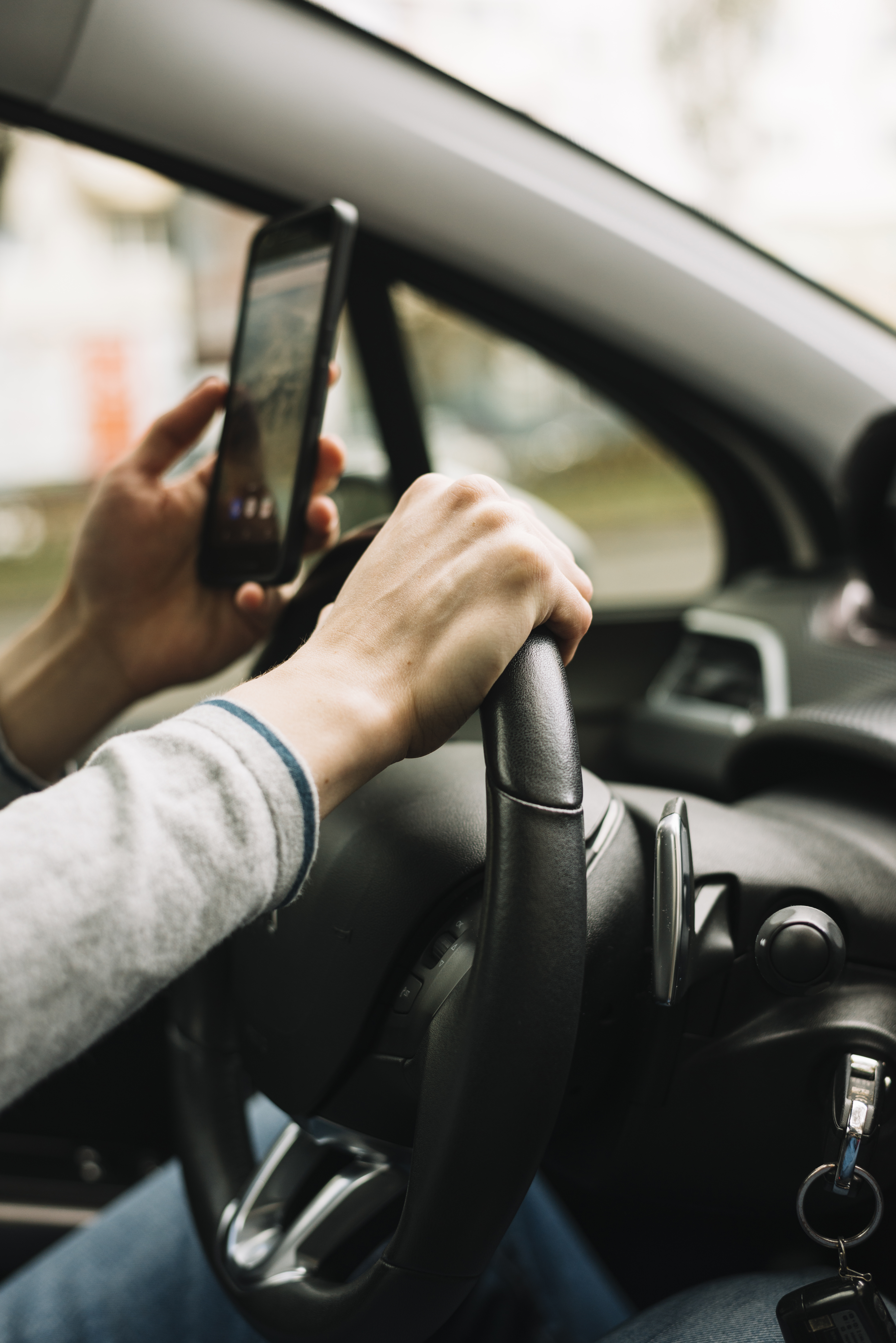
Building a Distracted Driving Case With Digital and Physical Evidence
Distracted driving remains a significant cause of accidents nationwide, and proving that a driver was not paying attention often requires a detailed investigation. Attorneys rely on various forms of evidence to show how distraction contributed to a collision, especially during Distracted Driving Awareness Month in April. Understanding how these different types of evidence work together can help clarify why thorough documentation is essential in establishing negligence.
This overview explains how digital records, witness accounts, and physical crash data each play a crucial role in demonstrating that a driver’s inattention directly led to an accident.
Digital Evidence: Tracking Device Activity to Reveal Distraction
Examining a driver’s digital activity is one of the most effective ways to determine whether they were interacting with their phone at the time of a crash. Call logs, message timestamps, and app usage can indicate whether the driver was using their device in the moments leading up to impact. Even without accessing message content, timing alone can provide significant insight.
Obtaining this information is not always simple. Phone carriers often retain limited data, and formal requests or subpoenas are usually required. In some cases, digital forensics may be used to recover deleted actions or analyze background activity, such as GPS navigation, social media scrolling, or messaging app interactions, which can help reinforce the established timeline.
Social Media and Location Indicators
Many drivers engage with social platforms while behind the wheel—posting updates, watching videos, or checking in at locations. These seemingly small actions can serve as critical evidence in a distraction-related claim.
Digital clues like location tracking, social media posts, app transitions, or typing indicators can show whether the driver was focused on their device rather than the road. When paired with phone records, this information strengthens the argument that the driver was not paying attention at the time of the collision.
Eyewitness and Video Evidence: Strengthening the Narrative
Witnesses can offer valuable observations about what happened immediately before a crash. Drivers, passengers, or pedestrians may have seen the at-fault driver looking down, holding a phone, or otherwise failing to focus on traffic conditions. These statements help validate digital findings and add context to the events that led to the accident.
Witnesses may also recall details after the collision, such as the driver admitting they were using their phone or still having the device illuminated in their hand or lap. These firsthand reports often become important components of a personal injury claim.
Traffic Cameras and Dashcam Footage
Video footage, whether from nearby traffic cameras or dashcams installed in vehicles, can provide clear visual evidence of distracted behavior. Recordings that show drifting, delayed braking, or visible device interaction can significantly strengthen a case.
However, this type of footage is often overwritten quickly—sometimes within hours. Acting promptly to identify and preserve any relevant recordings is essential, making early legal assistance critical.
Physical and Vehicle Data: Identifying Inattention Through Crash Evidence
Modern vehicles often contain Event Data Recorders (EDRs), commonly known as “black boxes.” These devices capture key information in the seconds before a collision, including speed, braking activity, steering movements, and accelerator use. This data can show whether the driver attempted to react to a hazard.
If an EDR reveals an absence of braking or steering corrections, it may indicate that the driver did not notice the danger in time due to inattention. When evaluated alongside digital or witness evidence, EDR data can help establish a clear pattern of distracted driving.
Crash Scene Indicators
Traditional accident scene analysis remains an essential component of understanding what happened. Skid marks, damage patterns, and debris placement all contribute to recreating the sequence of events. For example, if a stationary vehicle is struck from behind with no signs of braking, it strongly suggests the other driver was not paying attention.
Accident reconstruction professionals often use these physical elements to recreate the incident and determine whether the driver could have avoided the crash had they been focused on the road.
The Importance of Timing: Acting Before Evidence Disappears
Much of the evidence in distracted driving cases is time-sensitive. Phone records may only be stored briefly, and social media platforms regularly clear certain types of data. Likewise, video footage from nearby cameras is often deleted or recorded over within short intervals.
Because subpoenas and evidence preservation requests can only be made after initiating a legal claim, quick action is essential. A personal injury attorney can take swift steps to preserve digital records, request video footage, review vehicle data, and document the accident scene before crucial information is permanently lost.
Why Legal Guidance Is Essential After a Distracted Driving Crash
Showing that distraction caused a collision requires more than suspicion—it demands detailed, timely, and coordinated evidence collection. Whether the driver was texting, browsing social media, or looking at GPS directions, uncovering those actions can significantly impact the outcome of your case.
If you believe distraction contributed to your accident, act quickly. A knowledgeable personal injury attorney can gather the necessary digital, physical, and testimonial evidence to support your claim. Contact a legal professional as soon as possible to begin building a strong, well-supported case and to protect your right to seek fair compensation.