
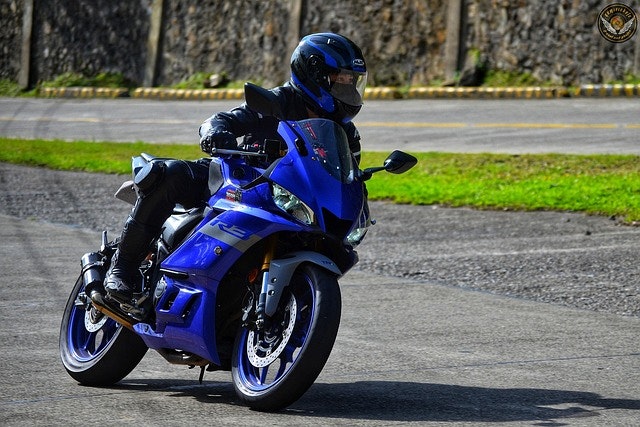
Motorcycle Safety Awareness Month: A Collective Commitment to Safer Roads
May marks Motorcycle Safety Awareness Month, a nationwide effort to highlight the shared responsibility drivers and motorcyclists have in keeping the roads safe. As temperatures rise, motorcycle traffic increases, creating more opportunities for interactions between larger passenger vehicles and smaller, more vulnerable bikes. This seasonal shift underscores the importance of understanding risk factors and making thoughtful choices behind the wheel and on two wheels.
Motorcycle collisions can lead to significant injuries, extensive medical bills, and complex legal issues. Claims arising from these incidents often involve personal injury cases, insurance disputes, and sometimes criminal implications. By recognizing common hazards and adjusting behaviors accordingly, all roadway users can help reduce the likelihood of accidents and minimize potential legal consequences.
The Heightened Risks Associated With Motorcycle Collisions
Motorcyclists face increased exposure on the road simply because they lack the physical protection that enclosed vehicles provide. Even crashes occurring at modest speeds can result in life-changing injuries. Because of this vulnerability, riders are far more likely than passengers in standard vehicles to be seriously hurt or killed during a collision, according to federal safety agencies.
Visibility challenges are a frequent contributor to these incidents. Drivers may misjudge the speed of an oncoming motorcycle or overlook it entirely. Impaired driving, speeding, and failure to yield also remain leading causes of motorcycle accidents. When these factors are present, determining who is legally responsible becomes more complicated, often requiring a careful review of roadway conditions and the actions of each party.
Due to the severity of injuries often associated with motorcycle crashes, legal disputes involving fault and compensation can quickly become intricate. Establishing liability may require expert analysis, witness statements, and a thorough examination of available evidence.
Key Safety Considerations for Drivers
Drivers play a crucial role in motorcycle safety, especially during peak riding seasons. Many collisions occur simply because a driver did not see a motorcycle or incorrectly assumed it was farther away or traveling more slowly than it actually was. These perception errors can have devastating results.
Left-turn crashes are particularly common. Research from national safety organizations shows that many motorcycle collisions happen when a driver turns left across the path of an oncoming rider. In many of these cases, the driver may have looked in the right direction but failed to register the motorcycle’s presence.
To reduce risks, drivers should:
- Consistently double-check blind spots before merging or changing lanes.
- Allow additional distance behind motorcycles due to their ability to brake quickly.
- Exercise heightened caution at intersections, especially when making left turns.
- Eliminate distractions that divide attention from the roadway.
Driver conduct often becomes a focal point in legal matters arising from motorcycle accidents. Behaviors such as texting while driving, reckless maneuvers, or driving under the influence can significantly affect legal outcomes. Simple, proactive driving habits can help prevent accidents and mitigate legal exposure.
Essential Safety Practices for Motorcyclists
Motorcyclists must also stay attentive to changing traffic conditions and driver behavior. A proactive, defensive approach can help reduce crash risk and lessen the severity of injuries if a collision does occur.
Federal health agencies emphasize that helmets play a vital role in protecting riders from severe head trauma and fatal injuries. While safety gear cannot prevent accidents, it plays a major role in medical outcomes and can even influence personal injury claims.
Motorcyclists can strengthen their safety strategy by:
- Completing professional training courses and maintaining proper licensing.
- Wearing protective gear, including a DOT-approved helmet, gloves, boots, and reinforced clothing.
- Using reflective elements on both bikes and riding apparel to improve visibility.
- Riding defensively by anticipating driver actions and maintaining safe distances.
Visibility is one of the biggest challenges riders face. Motorcycles are smaller and harder to see, especially in traffic or at intersections. Ensuring that lights function properly and adding reflective accents to apparel can help improve detection by other motorists.
Another helpful tactic is tapping the brake lever lightly several times before coming to a complete stop. This signals deceleration to drivers behind the motorcycle and can reduce the likelihood of a rear-end crash.
Speeding, riding under the influence, or operating a motorcycle without proper training can not only increase the risk of a collision but also influence the legal evaluation of a case. Rider behavior is often closely analyzed in personal injury matters and liability disputes.
Legal Considerations After a Motorcycle Crash
Motorcycle accidents often result in complicated legal proceedings. Injured riders and drivers may face insurance claims, civil lawsuits, or even criminal investigations depending on the circumstances. These cases frequently involve contested fault determinations, making evidence a critical factor.
Legal professionals may rely on crash reconstruction specialists, witness statements, and traffic camera recordings when analyzing what occurred. Issues such as distracted driving, impairment, speeding, and disregard for traffic signals can all play major roles in determining liability.
Because injuries in motorcycle crashes tend to be severe, insurance companies often conduct extensive inquiries. Prosecutors may also become involved when reckless or impaired behavior is suspected. While no safety measure can eliminate every risk, careful behavior on the road can reduce the chances of a catastrophic crash and prolonged legal challenges.
Working Together to Promote Roadway Safety
Motorcycle Safety Awareness Month serves as an important reminder that safer roads depend on cooperation. Drivers must stay alert, patient, and mindful of smaller vehicles, while motorcyclists must focus on visibility, training, and responsible riding practices. When both groups prioritize smart decision-making, the entire roadway becomes safer.
Mindful conduct not only reduces the likelihood of injury but also helps avoid criminal charges, civil litigation, and long-term financial consequences. Preventive action is far more effective than navigating the aftermath of a serious collision.
If you or someone you love has been involved in a motorcycle crash, it is important to understand your rights and options. Speaking with a knowledgeable legal professional can help guide you through personal injury claims, liability questions, or possible criminal concerns. Support is available to help protect your interests and pursue the best possible outcome.