
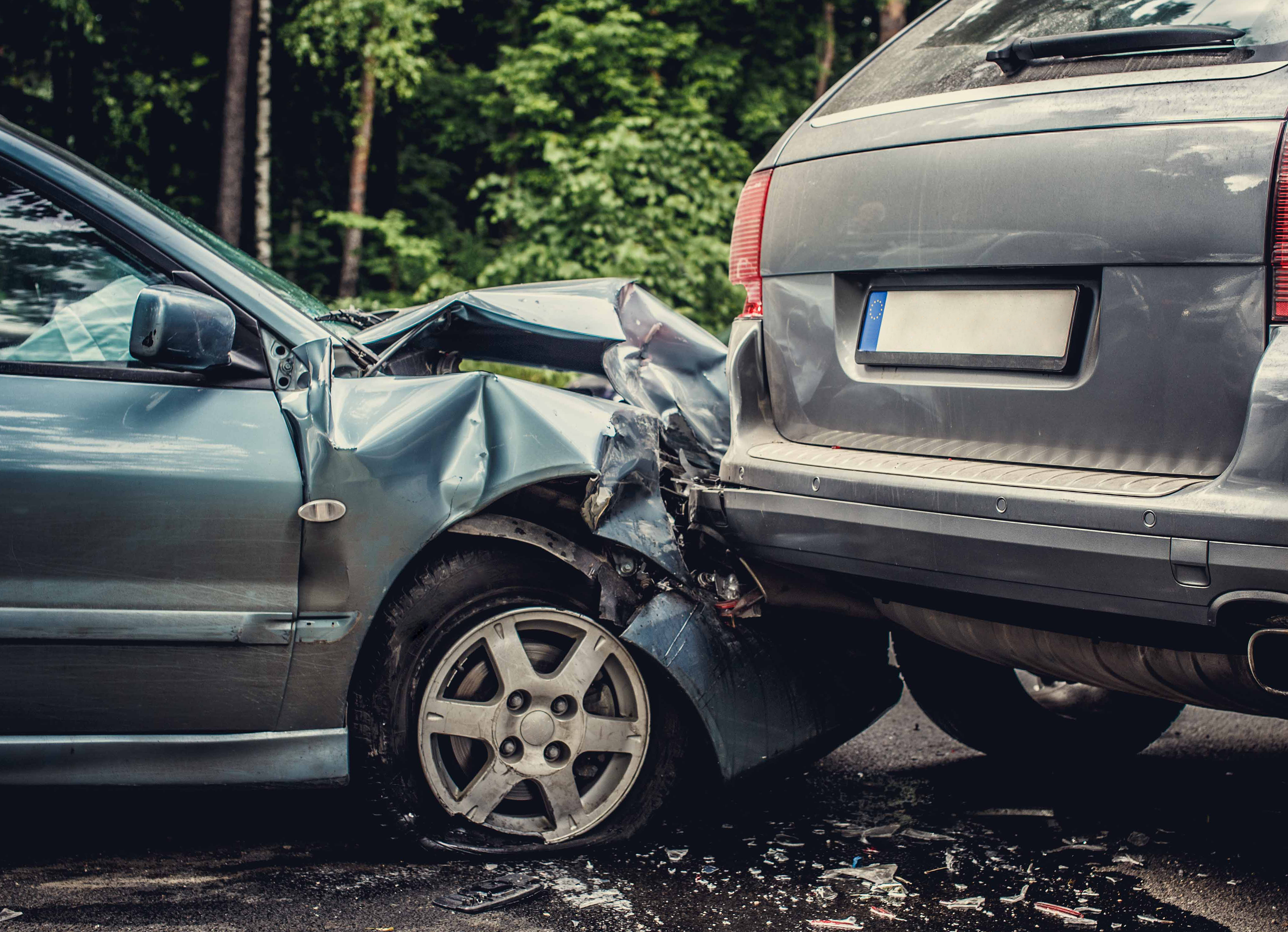
What to Do After an Accident With an Uninsured Driver
Being hit by an uninsured driver can make an already stressful situation even more overwhelming. Although recovering compensation may be more complex, there are still avenues to protect yourself financially. Taking the right steps immediately after the crash and understanding your insurance options can make a significant difference in the outcome.
This guide explains what to do after an accident with an uninsured driver, how insurance coverage may apply, and when legal action might be appropriate.
Immediate Steps to Take After the Accident
Any collision can be chaotic, but clear actions taken right away help protect your health and your claim. First, check for injuries and promptly contact law enforcement so an official accident report can be created. Documentation is critical, especially when the other party lacks insurance.
Collect as much information as possible at the scene. This includes the driver’s contact details, vehicle description, and photographs of the damage and surrounding area. Once the scene is documented and law enforcement is notified, report the incident to your insurance provider without delay.
Because most states follow an at-fault system, the determination of responsibility will guide how compensation is handled. The more thorough your documentation, the stronger your position will be during the claims process.
Using Your Own Insurance Coverage
If the uninsured motorist is found responsible, your policy may provide financial relief. Many drivers carry uninsured or underinsured motorist protection, which can pay for medical care, wage losses, and in some cases, damage to your vehicle. This coverage is designed to step in when the at-fault driver cannot.
Additional policies, such as collision or personal injury protection (PIP), may also cover expenses related to the crash regardless of fault. Collision coverage typically assists with repairs to your vehicle, while PIP may help with medical costs or lost income. Without these optional coverages, however, your ability to recover compensation through your insurer may be more limited.
Considering Legal Action
Another option is pursuing legal action against the uninsured driver. Filing a lawsuit may allow you to seek repayment for medical bills, vehicle repairs, and non-economic damages such as pain and suffering. However, this route is most effective when the other driver has the financial means or assets to satisfy a judgment.
Before moving forward, it is wise to consult with a knowledgeable car accident attorney. They can help evaluate whether the uninsured driver has the ability to pay and advise you on how to best support your claim with strong evidence and documentation.
Hit-and-Run Situations
Accidents involving drivers who flee the scene generally follow a similar process. Since the at-fault party cannot be identified, uninsured motorist coverage usually applies. In these cases, it becomes especially important to file a police report as soon as possible and notify your insurer promptly.
Why Legal Support Matters
Handling an uninsured motorist accident can be frustrating and confusing. Working with an attorney can make the process more manageable. A legal professional can communicate with your insurer, help you understand your coverage, and safeguard your rights throughout the claims process.
Prompt action, clear documentation, and an understanding of your insurance options are key to reducing financial stress and seeking the compensation you need after an accident with an uninsured driver. Taking these steps gives you a stronger foundation as you move forward and work toward recovery.